

healthy gut

Close-up of hands gripping an overweight belly, depicting body fat focus.

Inflammation: What It Is, Why It Happens, and How to Calm the Fire With Food

If you’ve ever felt puffy, achy, sluggish, or like your body is “on edge,” there’s a good chance inflammation is involved. But before we drag inflammation like it’s the villain of the year, let’s get one thing straight: inflammation is actually your body trying to help you. The problem?  Sometimes the system doesn’t shut off…and that’s when things get messy. Let’s break it all down in a way that’s science-backed and easy to understand. What Is Inflammation, Really? Inflammation is your immune system’s natural response to stress, injury, or invaders (like bacteria, viruses, or that questionable sushi from last week). Two main types: Acute inflammation Short-term. Helpful. Like when you twist your ankle and it balloons up—your body is sending in a SWAT team to fix the damage. Chronic inflammation Long-term. Not helpful.This is when the immune system stays turned on—low-grade, simmering in the background, day after day. Chronic inflammation has been linked to: Type 2 diabetes Heart disease Arthritis Cognitive decline Autoimmune conditions Obesity Digestive issues Chronic inflammation is often measured by high levels of CRP (C-reactive protein), IL-6, TNF-α, and other inflammatory markers. Elevated levels are consistently associated with higher disease risk. Get the free E-book ! This is the guide your future self will want you to download and your joints, digestion, energy, and mood will thank you for Free E-book How Does Inflammation Start? Inflammation is triggered when the immune system senses a threat. That “threat” can come from: 🔹 1. Poor diet Highly processed foods can activate inflammatory pathways like NF-κB. Common triggers include: Added sugars Trans fats Refined carbs Excess alcohol Industrial seed oils (corn, soybean, cottonseed) 🔹 2. Chronic stress Your stress hormone (cortisol) is meant to protect you, but when it stays elevated, it disrupts immune function and increases inflammation. 🔹 3. Lack of sleep Even one bad night increases inflammatory protein IL-6. Long-term sleep deprivation? Major inflammation party. 🔹 4. Sedentary lifestyle Studies show inactivity raises CRP, while movement quickly lowers inflammatory markers. 🔹 5. Environmental toxins Pollution, smoke, mold, and chemicals can activate immune cells and trigger inflammation. 🔹 6. Excess body fat Especially visceral fat—the kind around the organs. This fat isn’t just storage, it’s metabolically active and releases inflammatory cytokines. What to Avoid If You Want to Reduce Inflammation You don’t need to be perfect—just make small adjustments that stack up. Foods that fuel inflammation: Processed meats (bacon, sausage, deli meats) Refined carbohydrates (white bread, pastries, sugary cereals) Sugary drinks (sodas, energy drinks, sweetened coffees) Fried foods Excessive alcohol Added sugars Trans fats (often listed as “partially hydrogenated oils”) Industrial seed oils (corn, soybean, safflower, cottonseed—high in omega-6) Diets high in omega-6 and low in omega-3 fatty acids can create an imbalance that increases inflammation. While omega-6 isn’t “bad,” too much of it without omega-3 causes issues. What to Eat to Calm Inflammation These foods help lower inflammatory markers and support healing. You don’t have to overhaul everything at once just add more of these daily  Anti-Inflammatory All-Stars 🫐 1. Berries Rich in anthocyanins—compounds shown to reduce oxidative stress and inflammation. 🥬 2. Leafy greens Spinach, kale, arugula—they’re full of antioxidants, magnesium, and polyphenols. 🐟 3. Fatty fish Wild salmon, sardines, mackerel, trout. Omega-3s (EPA & DHA) actively decrease inflammatory signaling. 🫒 4. Extra-virgin olive oil Loaded with oleocanthal, which works similarly to ibuprofen in its anti-inflammatory effect. 🥑 5. Avocados Contain monounsaturated fats, fiber, and antioxidants. 🍵 6. Green tea EGCG is a powerful anti-inflammatory polyphenol. 🍊 7. Citrus fruits Vitamin C helps regulate immune function and control inflammation. 🧄 8. Garlic & ginger These two are basically the Beyoncé and Rihanna of anti-inflammatory spices—powerful and always on the charts. 🫘 9. Beans & legumes Fiber reduces inflammation by improving gut health—70% of your immune system lives in your gut! 🍫 10. Dark chocolate (70%+) Yes—your permission slip. Polyphenols help lower CRP. Fun Fact: Your Gut Controls Your Inflammation ! A healthy gut microbiome helps regulate the immune system. A damaged one increases inflammation.   Foods that support a healthy gut: Fermented foods (kimchi, sauerkraut, kefir) High-fiber foods Prebiotic foods (onions, garlic, bananas, asparagus) Final Thoughts: You Can Turn Down the Heat! Inflammation doesn’t have to run your life. Small, consistent habits—movement, sleep, stress reduction, and an anti-inflammatory diet—can dramatically change how you feel. Think of it as giving your body the support it’s been begging for. And remember: Health isn’t just the absence of disease; it’s the presence of vitality.  If you want help building a lifestyle and nutrition plan that reduces inflammation, boosts energy, and fits into your real life, reach out and I’ll guide you step-by-step. Get in Touch All Posts Excercise Nutrition Personal Wellness Inflammation: What It Is, Why It Happens, and How to Calm the Fire With Food November 21, 2025/No Comments If you’ve ever felt puffy, achy, sluggish, or like your body is “on edge,” there’s a good chance inflammation is… Read More Fiber: The Unsung Hero of Your Gut (and Your Gains) November 10, 2025/No Comments When we talk about nutrition, protein and carbs often steal the spotlight, but there’s another nutrient quietly doing superhero work… Read More The Joyful Science of Dance: How Moving to the Beat Heals Your Body and Mind October 18, 2025/No Comments Ever notice how you feel lighter, happier, and somehow alive after dancing, even if you’re just grooving in your kitchen… Read More The Romanian Deadlift October 4, 2025/No Comments The Glorious, Slightly Theatrical History of the Romanian Deadlift. Once upon a gym in a time before Instagram clips of… Read More Well-being: letting go October 2, 2025/No Comments When I used to think of “wellness,” I thought of things like chia seeds, gym memberships, and buying expensive candles… Read More

Inflammation: What It Is, Why It Happens, and How to Calm the Fire With Food Read More »

Nutrition, Wellness
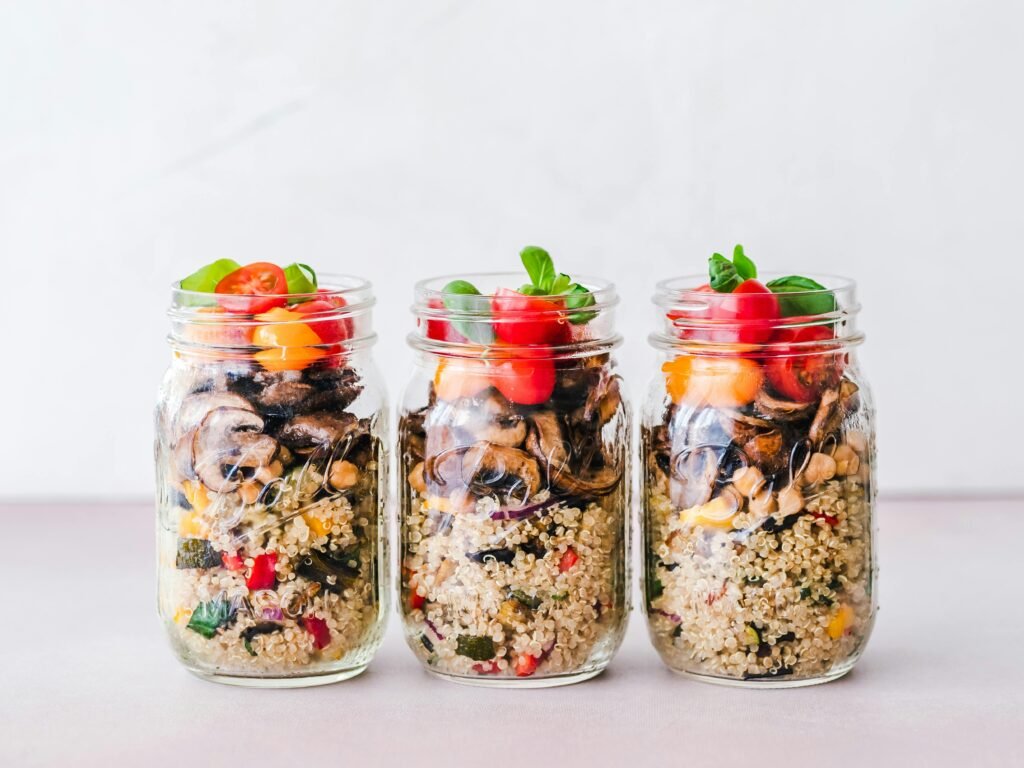
Three jars of colorful quinoa salad with mushrooms and tomatoes, perfect for a healthy meal.

Fiber: The Unsung Hero of Your Gut (and Your Gains)

When we talk about nutrition, protein and carbs often steal the spotlight, but there’s another nutrient quietly doing superhero work behind the scenes: fiber. It keeps your gut happy, your energy steady, and even your mood in check. Let’s break down why fiber deserves more love in your diet and how to actually get enough of it every day. What Exactly Is Fiber? Fiber is a type of carbohydrate that your body can’t digest. Instead of being broken down into sugar like other carbs, fiber passes through your digestive system mostly intact — and that’s a good thing. It feeds your gut bacteria, helps regulate digestion, balances blood sugar, and even supports heart health. There are two main types of dietary fiber? Soluble fiber is a type of dietary fiber that dissolves in water to form a gel-like substance in the digestive tract. It helps lower cholesterol, control blood sugar levels, and support healthy digestion. Here are some examples and sources of soluble fiber: Examples of Soluble Fiber Pectin – found in fruits like apples, citrus fruits, and berries Beta-glucan – found in oats and barley Psyllium – found in the husks of Plantago ovata seeds (often used in fiber supplements) Inulin – found in chicory root, garlic, onions, and asparagus Gums and mucilages—found in legumes and some seeds Food Sources Rich in Soluble Fiber Oats and oatmeal—great for breakfast or baking Barley—can be used in soups, stews, or salads Apples and citrus fruits—easy snacks with natural sweetness Legumes (beans, lentils, peas)—excellent for soups, curries, and salads Flaxseeds and chia seeds can be added to smoothies, yogurt, or cereal Carrots, sweet potatoes, and broccoli—fiber-rich vegetables with added nutrients Psyllium husk—can be mixed into water or added to recipes for an extra fiber boost Insoluble fiber is the type of dietary fiber that does not dissolve in water. It adds bulk to the stool and helps food pass more quickly through the stomach and intestines, promoting healthy digestion and preventing constipation. It’s the “broom” that sweeps waste through your digestive tract. Here are some examples of insoluble fiber and how you can get it: Grains and Cereals Whole wheat flour – found in whole-grain bread, pasta, and baked goods. Brown rice – a great alternative to white rice with higher fiber content. Barley and bulgur—both contain a mix of soluble and insoluble fiber. Vegetables Broccoli—a rich source of insoluble fiber and antioxidants. Cauliflower—high in fiber and adds bulk to your diet. Green beans contain a good amount of insoluble fiber. Carrots—raw or cooked, they’re an easy way to add fiber to meals.  Fruits (with skin) Apples and pears (with the skin)—most of the insoluble fiber is in the peel. Grapes and berries (with skins) offer fiber and polyphenols for gut health.  Nuts and Seeds Almonds, walnuts, and sunflower seeds provide both insoluble fiber and healthy fats. Flaxseeds (whole)—though ground flaxseeds have more soluble fiber, the whole ones provide insoluble fiber too. Legumes Lentils and kidney beans – contain both soluble and insoluble fiber for balanced digestion. Both are essential and most people need more of both. Start slow. If you’re adding more fiber, increase your intake gradually and drink plenty of water. Your gut needs a little time to adjust! Why We Need Fiber (The Benefits) Supports Gut Health: Fiber is your gut microbiome’s favorite food. When your gut bacteria ferment certain types of fiber (especially prebiotic fiber), they produce short-chain fatty acids (SCFAs) like butyrate, which nourish your colon cells and reduce inflammation. Studies show that higher SCFA levels are linked to better immune function and even improved mental health. (Source: Nature Reviews Gastroenterology & Hepatology, 2020) Keeps You Regular: Insoluble fiber adds bulk to stool and helps food move efficiently through your digestive system — no more “digestive drama.” Balances Blood Sugar: Soluble fiber slows down how fast sugar enters your bloodstream, keeping your energy stable and preventing those “crash-and-crave” moments.   A meta-analysis in The American Journal of Clinical Nutrition (2019) found that people who eat more fiber have a lower risk of developing type 2 diabetes. Lowers Cholesterol: Soluble fiber (found in oats, apples, beans) helps lower LDL (“bad”) cholesterol by binding to it in your gut and removing it through waste. Supports Weight Management: Fiber-rich foods keep you full longer, which helps control appetite naturally — no calorie-counting needed. How Much Fiber Do You Need? The Dietary Guidelines for Americans (2020–2025) recommend: Women: 22–28 grams per day Men: ~38 grams per day Most adults only get about half of that. A simple goal: aim for 14 grams of fiber per 1,000 calories you eat a day. Alahmari, L. A. (2024). Dietary fiber influence on overall health, with an emphasis on CVD, diabetes, obesity, colon cancer, and inflammation. Frontiers in Nutrition, 11, 1510564. https://doi.org/10.3389/fnut.2024.1510564 Soluble vs. Prebiotic Fiber—What’s the Difference? Here’s where it gets fun (and a little nerdy): Soluble fiber and prebiotic fiber are often mentioned together, but they play slightly different roles in digestive health.  Soluble fiber dissolves in water to form a gel-like substance in the gut, helping to slow digestion, control blood sugar, and lower cholesterol. You can find it in foods like oats, apples, beans, and flaxseeds.  Prebiotic fiber, on the other hand, specifically feeds the beneficial bacteria in your gut, supporting a balanced microbiome and promoting overall digestive wellness. While all prebiotic fibers are a type of soluble fiber, not all soluble fibers have prebiotic effects—making prebiotics a unique subset with extra gut-nourishing benefits. Think of prebiotic fiber as the VIP section of the fiber club—they keep your microbiome strong, diverse, and happy. Final Thoughts: Fiber isn’t just about digestion—it’s about longevity, energy, and balance. When your gut thrives, you thrive. So next time you plan your meals, ask yourself, “Where’s my fiber coming from?” Your gut (and your future self) will thank you. If you’ve finished reading this article and feel curious, inspired, or even a little confused about where to start with your nutrition goals, don’t wait—reach out today and let’s work together

Fiber: The Unsung Hero of Your Gut (and Your Gains) Read More »

Nutrition
Scroll to Top